

Welcome to the Research Hub – your go-to source for concise, digestible summaries of the latest research on the connection between periodontitis and diabetes. Explore key findings on topics such as how periodontal inflammation affects glycaemic control and the benefits of periodontal treatment.
Our summaries provide quick insights, but they are not exhaustive. For a complete understanding of each study’s methodology, results, and implications, we encourage you to review the original research articles. Please note that the Periodontitis-Diabetes hub is not responsible for inaccuracies or misinterpretations of condensed content.
For more guidance on understanding research, including how to interpret studies and evaluate their findings, visit the ‘Colgate Professional Website’ and search for ‘Understanding Research in Dentistry.’
Dive into the science and uncover the powerful link between oral and systemic health!
This study in mice found that diabetes-related changes in gut bacteria weakened the gut’s protective lining and increased oxidative stress, worsening gum inflammation and bone loss. Restoring healthier gut bacteria, protecting the gut lining or giving oleic acid reduced this damage, but studies in people are needed to confirm these benefits.
Read more
Periodontitis is associated with systemic inflammation and has been linked to chronic kidney disease and diabetes. This randomised trial examined whether non-surgical periodontal treatment improves kidney function, systemic inflammation and blood glucose control in patients with chronic kidney disease.
Read more
A combination of bacteria and inflammatory markers in saliva distinguished participants with type 2 diabetes and periodontitis from systemically healthy participants without periodontitis, with reported accuracy of 95%. Further testing is needed to establish whether it can reliably identify gum disease within the diabetic population.
Read more
In mice, butyrate (a substance produced by gut bacteria) reduced diabetes-associated periodontal damage and restored the balance between two types of immune cells. Whether this approach benefits people remains unproven.
Read more
Adding Limosilactobacillus reuteri probiotics to periodontal treatment did not provide additional improvements in gum health or overall bacterial outcomes in patients with diabetes. A possible improvement in blood glucose control was observed, but it was not statistically significant in a separate analysis excluding participants with protocol deviations.
Read more
In a large Swedish register-based study of nearly 19,000 people with dental implants, both type 1 diabetes (T1DM) and type 2 diabetes (T2DM) were associated with a higher risk of peri-implantitis (inflammation and progressive bone loss around a dental implant). The link was clearest for T1DM, particularly when blood-sugar control was poor.
Read more
In diabetic mice, oxidative stress (an imbalance between damaging free radicals and the body’s antioxidant defences) and gut dysbiosis (an unhealthy shift in gut bacteria) appear to fuel each other, worsening periodontitis (inflammatory destruction of the tissues supporting the teeth). Both an antioxidant (curcumin) and faecal microbiota transplantation (FMT — transfer of stool bacteria from a healthy donor) reduced this damage.
Read more
In a mouse model of type 2 diabetes, experimentally induced gum disease worsened diabetic nephropathy (DN — kidney damage caused by diabetes) by activating an enzyme–hormone pathway (HPGDS–PGD2) inside the kidney’s filtering units (glomeruli). Blocking this pathway with a drug protected the kidneys. A small clinical study in patients suggested a possible link between urinary HPGDS, kidney function and gum disease.
Read more
In 43 patients with metabolic syndrome, a 5–10-day medically supervised prolonged fast was associated with lower gum inflammation, less plaque and small, selective shifts in oral bacteria. The overall oral microbiome remained largely stable.
Read more
In a nationwide Japanese cohort of 99,273 middle-aged adults with type 2 diabetes mellitus (T2DM), those who attended a dentist for periodontal care had a 32%–47% lower risk of starting dialysis (a treatment that filters the blood when the kidneys fail) than those with no dental attendance. More frequent visits were linked to greater risk reduction, suggesting that routine gum care may help protect kidney function in diabetes, although the study is observational and cannot prove cause.
Read more
Type 2 diabetes mellitus (T2DM) is a growing global health issue, with millions remaining undiagnosed.In Singapore, diabetes prevalence is among the highest in Southeast Asia, with half of those affected unaware of their condition at diagnosis.
Read more
In 104 pregnant women, extracellular vesicles (EVs — tiny membrane-wrapped particles released by cells and bacteria that carry proteins and other molecules) collected from the gum crevice were more abundant, and had a distinctive surface-marker profile, in women with both periodontitis and gestational diabetes mellitus (GDM). Their protein cargo pointed to roles in immune inflammation, glucose metabolism and insulin response, and included virulence factors from periodontal bacteria – supporting the idea that gum-derived EVs may biologically link periodontitis and GDM.
Read more
Higher dietary quality was associated with differences in subgingival bacterial diversity and a more favourable balance of disease-associated to health-associated bacteria. These observational findings suggest a possible link between diet and the periodontal microbiome, rather than demonstrating a treatment effect.
Read more
Periodontitis was associated with a higher incidence of cardiovascular events or death over approximately 10 years, after adjustment for age, smoking and diabetes.
Read more
A study of more than 8,000 adults found a link between the variety of bacteria in mouth-rinse samples and long-term health. It does not show that changing mouth bacteria will extend life or that a probiotic or mouthwash provides this benefit.
Read more
Some people with diabetes experience problems with the tissues around dental implants. Mice with diabetes and implant inflammation lost more supporting bone than mice with inflammation alone.
Read more
Health behaviours and medical measurements are often considered together when assessing cardiovascular health. People with higher overall scores were less likely to have periodontitis and tended to have less severe gum damage.
Read more
Periodontitis affects up to 45% of adults in the United States (US) and has been significantly associated with various systemic health conditions such as diabetes and cardiovascular disease. Current research suggests that periodontal disease may not only impact oral health but also influence overall mortality.
Read more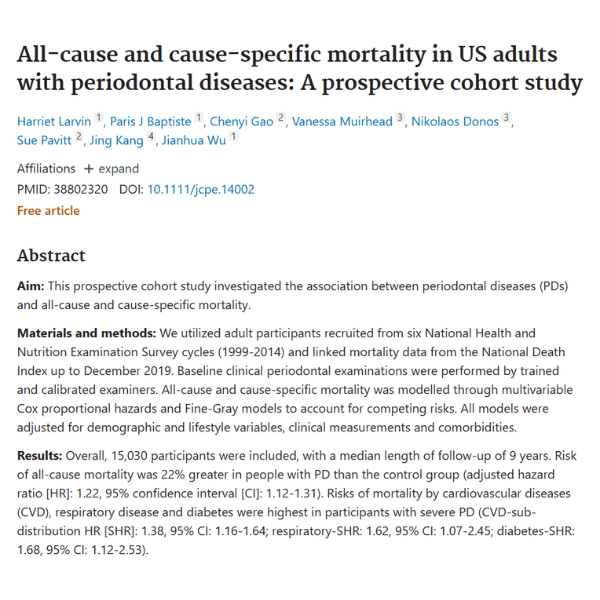
Many people think about sugar in relation to tooth decay or blood glucose. This study asked a different question – whether drinking sugary drinks more often was linked to disease affecting the tissues that support the teeth.
Read more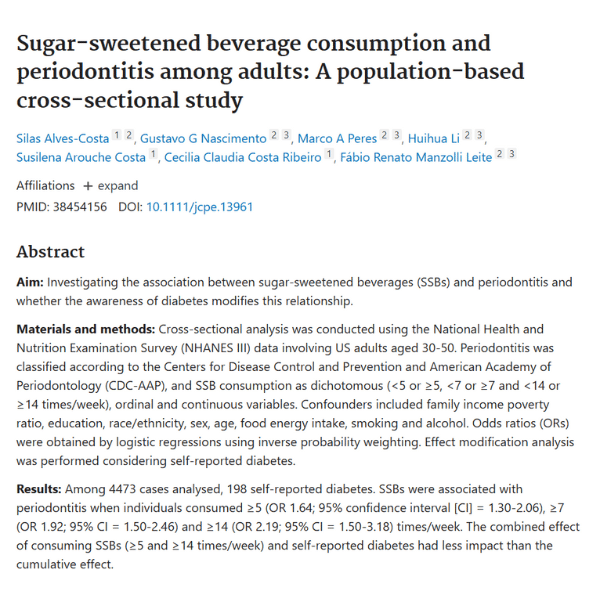
Diabetes and gum health may influence each other. Average HbA1c fell from 9.6% to 7.4%.
Read more
Prediabetes is increasingly recognised as a major public health issue, affecting about 35% of adults in the United States (US), or roughly 88 million people. While it serves as a significant indicator for developing diabetes, prediabetes is reversible, with around 13% of individuals returning to normal glucose levels. Managing risk factors during the prediabetic phase could alleviate the diabetes burden, a leading cause of morbidity and mortality.
Read more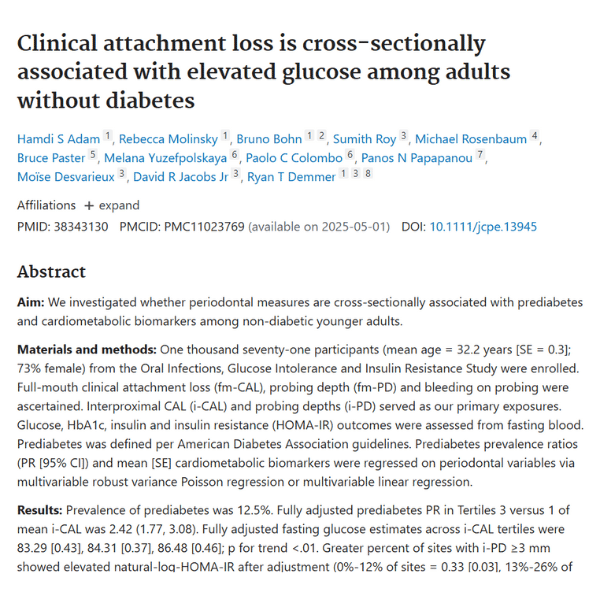
Professional cleaning below the gumline is sometimes combined with antibiotics, lasers or other products. Some additions appeared to improve particular measurements, including gum pocket depth or HbA1c.
Read more
Molars do much of the work of chewing, but their shape can make advanced gum disease harder to manage. About 82% of molars were retained across the pooled studies.
Read more
Trials suggest gum treatment can sometimes improve blood glucose, but everyday dental care may produce different results. There was no clear overall difference in HbA1c change.
Read more
Diabetes and severe gum disease can share risk factors and biological pathways. Severe periodontitis was more common among people with diabetes or prediabetes than among those with glucose in the usual range.
Read more
After active gum treatment, follow-up visits aim to maintain health and identify areas needing further care. People with more advanced disease were more likely to need surgery during maintenance and generally accumulated higher costs.
Read more
Researchers are interested in whether gum disease is associated with wider health outcomes among people living with diabetes. Moderate or severe gum disease was associated with a higher rate of death during follow-up, including cardiovascular deaths.
Read more
The mouth and lungs share exposures such as smoking, and inflammation may connect their health. Reported gum problems were associated with a slightly greater likelihood of airflow limitation and a higher rate of later COPD diagnosis.
Read more
A diagnosis of advanced periodontitis can be worrying. Many of the long-term attenders kept most of their teeth, while a smaller group lost substantially more.
Read more
Persistently high glucose may change how immune cells behave. High glucose was associated with more bone loss, inflammation and markers of cellular ageing.
Read more
Researchers are exploring whether gut bacteria influence the substances absorbed into the blood and, in turn, inflammation around teeth. Treated mice showed less loss of bone around teeth and changes in substances controlling bone breakdown.
Read more
Periodontal treatment removes deposits from below the gumline to manage inflammation. HbA1c was approximately 0.29 percentage points lower in the treatment groups than in the comparison groups.
Read more
Cells need functioning energy-producing structures, called mitochondria, to stay healthy. Some treated rats had less bone loss around teeth and fewer signs of cell damage.
Read more
The relationship between diabetes and gum disease may operate in both directions. Higher starting HbA1c was associated with slightly deeper gum pockets at follow-up.
Read more
Peri-implant diseases (PIDs), including peri-implant mucositis and peri-implantitis, are significant complications that can arise following dental implant placement. These conditions are characterised by inflammation of the peri-implant tissues, which can lead to implant failure if not managed effectively.
Read more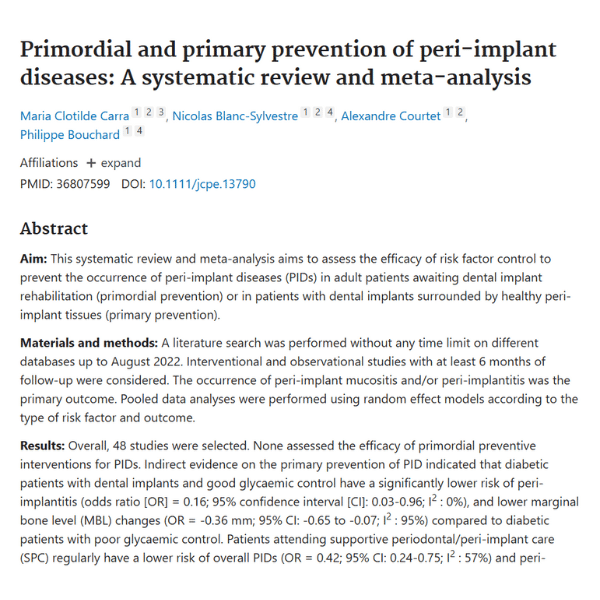
Cleaning below the gumline can be completed in one longer session or over several appointments. Both schedules improved gum health, with no clear difference in the main dental improvements.
Read more
Metabolic syndrome combines several risks, such as raised glucose, blood pressure and changes in blood fats or waist size. Gum treatment substantially improved plaque, bleeding and deep gum pockets.
Read more
Chronic periodontitis is a prevalent inflammatory condition affecting the supporting structures of teeth, which can lead to tooth loss and has been associated with various systemic diseases, including diabetes. The relationship between oral health and systemic conditions has garnered increasing attention, particularly as periodontal disease may influence metabolic processes. Previous studies have suggested that individuals with periodontal disease may have a higher risk of developing diabetes due to shared risk factors such as inflammation and insulin resistance.
Read more
C-reactive protein, or CRP, is often measured as a sign of inflammation. Rats lacking CRP had less periodontal bone damage in some experimental comparisons.
Read more
Diabetes mellitus (DM) is a chronic condition where the body fails to produce or effectively use insulin, resulting in elevated blood glucose. Poor glycaemic control in DM patients can lead to severe complications like cardiovascular disease and kidney failure. The glycosylated haemoglobin assay (HbA1c) is a reliable measure of long-term blood sugar control and is linked to the risk of diabetic complications.
Read more
Not every study finds that gum disease predicts diabetes. Moderate or severe periodontitis was not clearly associated with developing diabetes or prediabetes after adjustment.
Read more
Dentists may see people who rarely attend medical appointments. Models based on periodontal information alone had limited ability to distinguish people with and without raised glucose.
Read more
Molars have several roots, and gum damage between those roots can complicate treatment. Most molars were retained, with an overall survival of about 82%.
Read more
Periodontitis is a chronic inflammatory disease leading to the destruction of tooth-supporting tissues and eventual tooth loss if untreated. It is highly prevalent worldwide, affecting 10–60% of populations. Beyond oral health, periodontitis contributes to systemic diseases by allowing pathogens (bacteria) and inflammatory mediators to enter the circulatory system, increasing risks for conditions like diabetes mellitus (DM), cardiovascular diseases, and adverse pregnancy outcomes.
Read more
Researchers wondered whether the condition of the gums, including their response to treatment, was associated with diabetes diagnosed years later. Fewer teeth, more gum bleeding and a less favourable response to treatment were associated with later diabetes.
Read more
Gum disease is not limited to older adults. Several metabolic features, including larger waist measurements and higher triglyceride levels, were associated with more severe gum disease.
Read more
Some immune cells can die in a way that releases inflammatory substances. Diabetic mice had more bone loss and markers of inflammatory cell death.
Read more
After gum treatment, patients often want to know how likely they are to keep their teeth. Average tooth loss was low, around 0.1–0.2 teeth per patient each year across the included studies.
Read more
Maintenance visits are intended to support gum health after treatment. More irregular attendance and long gaps in care were associated with tooth loss, particularly in people with advanced or faster-progressing disease.
Read more
Researchers are investigating whether dental care is associated with wider healthcare use in people with diabetes. Periodontal care was associated with somewhat lower healthcare expenditure.
Read more
Raised blood glucose sometimes goes unrecognised. The process identified people with previously unrecognised glucose abnormalities.
Read more
A saliva sample is easy to collect and contains substances related to inflammation. Some markers, particularly a tissue-breakdown protein called MMP-8, were higher in participants with periodontitis and related to gum disease measurements.
Read more
Researchers wanted to know whether modest glucose changes, below the diabetes range, were associated with later gum findings. Some patterns of slightly raised or worsening glucose were associated with deeper gum pockets or greater bone loss.
Read more
Two conditions can occur together partly because they share influences such as smoking, age or social circumstances. Estimated associations changed after accounting for measured factors and remained uncertain.
Read more
Large health studies do not always examine every tooth surface. Shorter examinations sometimes placed people in a different gum disease category.
Read more
Access to dental care may reflect wider differences in health and resources. Among participants with periodontitis, private dental insurance was associated with a lower overall death rate.
Read more
Regenerative surgery aims to help rebuild support around selected teeth with deep periodontal defects. Around half of the studied teeth remained after this very long follow-up.
Read more
Researchers are exploring whether reducing gum inflammation affects the heart as well as the mouth. Gum health improved with treatment.
Read more
Inflammation can be measured locally in the gums and more broadly in the blood. Gum measurements improved after treatment, and several markers in the fluid around teeth decreased.
Read more
Periodontal care involves more than removing deposits from teeth. Several studies reported better gum measurements alongside changes in health behaviours.
Read more
Researchers wanted to understand whether gum disease in young adulthood predicts later changes in blood glucose. Periodontitis at twenty-six did not clearly predict membership of the highest HbA1c group after adjustment.
Read more
People with periodontitis often want to understand which teeth may be harder to keep. Diabetes, smoking and less regular care were associated with tooth loss.
Read more
Diabetes is relevant to kidney health, and researchers are studying whether gum disease is also involved. Periodontal disease and diabetes were associated with later kidney dysfunction in the analyses.
Read more
Some people have periodontitis without recognising it. The model identified about seven in ten people with moderate-to-severe periodontitis.
Read more
Diabetes can affect healing, but that does not mean periodontal treatment cannot work. Both groups improved.
Read more
The global rise in type 2 diabetes is a significant contributor to disability and early mortality, often due to vascular and renal complications. Chronic inflammation affects glycaemic control in diabetes, linking it with cardiovascular and kidney diseases. Periodontitis, a prevalent inflammatory condition often co-existing with diabetes, involves an imbalance in oral bacteria and elicits a systemic inflammatory response, raising risks for severe conditions like cardiovascular disease and renal failure. Periodontal therapy aims to manage inflammation through dental cleaning, oral hygiene advice, and possible surgical intervention.
Read more
Long-term studies help patients understand what may be possible after periodontal treatment. About 88% of teeth present after active treatment were retained.
Read more
People with diabetes may worry that gum treatment will be less effective for them. Both groups experienced substantial improvements.
Read more
Better dental comfort and daily wellbeing are important treatment outcomes, even if blood glucose does not change. Immediate treatment improved gum pocket depth, bleeding and the area of inflamed gum tissue.
Read more
Researchers wanted to know whether gum disease could help identify people more likely to develop type 2 diabetes. Diabetes was diagnosed more often among people with deeper pockets in the unadjusted comparisons.
Read more
Periodontal treatment can be delivered over a short period or spread across several visits. Both schedules improved gum health.
Read more
MicroRNAs are small molecules that help regulate how cells use genetic information. The markers were higher with periodontitis and decreased after treatment.
Read more
Bacteria beneath the gumline live as a community, and their surroundings may be affected by diabetes. Some bacterial community patterns differed between the groups.
Read more
Researchers are investigating whether substances in green tea influence inflammation and the small blood vessels around teeth. Diabetic rats receiving green tea developed less periodontal damage than diabetic rats receiving water.
Read more
Pregnancy can involve changes in both gums and glucose regulation. Gestational diabetes was more common in women with periodontitis than in those with healthy gums.
Read more
Inflammation is one possible connection between periodontitis and glucose regulation. More severe periodontitis was associated with raised glucose and diabetes.
Read more
Photographs of the retina can show small blood vessels and offer clues about vascular health. Some retinal vessel measurements were associated with severe periodontitis in men, but not women.
Read more
Bone is constantly renewed through a balance of formation and removal. Ordinary diabetic mice had more periodontal bone loss than their non-diabetic counterparts.
Read more
The body uses signals that either encourage or restrain bone formation. Several proteins related to inflammation or inhibition of bone formation were higher in groups with diabetes, smoking or both.
Read more
The European Federation of Periodontology and International Diabetes Federation have examined evidence connecting gum disease with diabetes. Overall, periodontitis was associated with higher glucose measures and a greater frequency of prediabetes or later diabetes in several studies.
Read more
Periodontal treatment aims to improve the health of tissues supporting teeth. The treatment group had improved gum health and a reduction in HbA1c of about 0.47 percentage points from its starting level.
Read more
People with gum disease and diabetes may benefit from care teams being aware of both conditions. Across the included data, diabetes was more common in people with periodontitis than in those without it.
Read more
Some blood-derived cells help support blood-vessel repair through the signals they release. Gum health improved after treatment, and activity of two inflammation-related genes decreased relative to comparison care.
Read more
Diabetes can increase stress and inflammation within tissues. Diabetic rats showed more pathway activity and periodontal damage.
Read more
Older adults can face practical barriers to dental care. People recorded as receiving periodontal treatment had lower odds of diabetes and slightly more favourable HbA1c measurements.
Read more
There is increasing evidence linking periodontal inflammation to elevated glycated haemoglobin (HbA1c) levels in patients with type 2 diabetes mellitus (T2DM). Periodontal disease is more prevalent in those with T2DM and contributes to chronic inflammation, potentially raising HbA1c levels. Persistently high HbA1c can lead to severe complications such as cardiovascular disease, blindness, amputations, renal failure, and premature death.
Read more
Mitochondria are structures that supply cells with usable energy. Rats with both diabetes and periodontitis had greater bone loss and cell death.
Read more
Inflammation around an implant can affect just the gum or also the supporting bone. Diabetes or raised glucose was associated with more peri-implantitis across the included research.
Read more
Researchers examined whether people with unrecognised glucose abnormalities were more likely to have periodontitis. Raised fasting glucose was associated with more periodontitis before the fullest adjustment.
Read more
Prediabetes means blood glucose is above the usual range but does not meet diabetes criteria. Prediabetes was associated with higher odds of widespread gum bleeding and severe periodontitis.
Read more
Researchers investigated whether men with periodontitis were more likely to receive a type 2 diabetes diagnosis during later follow-up. Eighty men were diagnosed with type 2 diabetes over a median follow-up of almost eight years.
Read more
Insulin resistance means the body responds less effectively to insulin. Certain bacterial groups were associated with more inflammation or insulin resistance, while others showed the opposite pattern.
Read more
Photodynamic treatment uses a light-activated substance to target microbes. Both groups improved in gum measurements and HbA1c, without a clear overall difference between them.
Read more
Antibiotics are sometimes studied as an addition to periodontal treatment. Adding antibiotics produced a small average extra reduction in gum pocket depth, about 0.15 mm.
Read more
People with kidney disease often have several health conditions at once. Both periodontitis and kidney disease were associated with higher mortality rates.
Read more
Molars with substantial bone loss or damage between roots can have an uncertain outlook. Most molars survived, including many with considerable initial damage.
Read more
Inflammation in the body may be connected with periodontal changes. Higher or increasing inflammation measurements were associated with somewhat less favourable gum pocket and attachment measurements.
Read more
TNF-alpha is one of the signals involved in inflammation. Some insulin-resistance measurements and dental X-ray findings were more favourable with treatment.
Read more
Parathyroid hormone and active vitamin D help regulate mineral balance. Gum bleeding and deeper pockets decreased markedly.
Read more
Pregnancy-related diabetes and gum inflammation may occur together. The bacteria were detected more often in women with gestational diabetes or gingivitis than in the comparison group, with the highest frequencies when both were present.
Read more
Small blood vessels at the back of the eye can be measured from photographs. Severe periodontitis was associated with slightly wider retinal venules, the small vessels that carry blood away.
Read more
Studies do not all find the same relationship between early glucose abnormalities and gum disease. After adjustment, prediabetes was not consistently associated with periodontitis or tooth loss.
Read more
Nutrition and access to care may affect both general and dental health. More bone loss was associated with higher levels of one periodontal bacterium and a blood inflammation marker.
Read more
Finding a raised screening result only helps if people can access appropriate follow-up. Many participants in both groups reported seeing a physician.
Read more
Patients may hear that body weight affects healing and wonder whether periodontal treatment will work for them. The review did not identify a consistent, clear difference in the main periodontal treatment outcomes between weight groups.
Read more
Diabetes can impair healing after tissue injury. The growth factor increased new bone volume and thickness and increased the number of dividing cells.
Read more
Raised blood glucose can be present before a person receives a diagnosis. People with results in the diabetes range had more gum bleeding, deeper pockets and more missing teeth than those with lower glucose results.
Read more
Antibiotics are sometimes added to gum cleaning, but the extra benefit needs to be demonstrated. Both groups’ gums improved.
Read more
Cleaning below the gumline is used to treat periodontitis, a disease that damages the tissues supporting teeth. Both groups improved.
Read more
People with diabetes may wonder whether treating gum disease can also lower blood glucose. Professional treatment produced clearer improvements in gum pocket depth, bleeding and the support around teeth than education alone.
Read more
Blood glucose can become higher than normal before someone develops diabetes. Severe periodontitis was associated with higher odds of impaired glucose tolerance: glucose remaining above normal after the drink.
Read more
Insulin resistance means that the body responds less effectively to insulin, the hormone that helps regulate blood glucose. Among women after menopause, those with the highest insulin resistance had higher odds of periodontitis than those with the lowest levels.
Read more
Inflammation helps the body respond to infection, but a prolonged or excessive response can damage the tissues supporting teeth. Several inflammatory signals were higher at diseased gum sites in participants with diabetes.
Read more
Gum disease and cardiovascular disease share inflammatory pathways. Some inflammatory markers decreased following gum treatment, including C-reactive protein and IL-6.
Read more
Changes in the way the body handles insulin may occur before diabetes is diagnosed. People in the highest insulin-resistance group developed more affected teeth than those in the lowest group.
Read more
Metabolic syndrome (MetS) is a cluster of risk factors, including insulin resistance and obesity, which increases the risk for cardiovascular diseases and type 2 diabetes. Its prevalence varies globally, influenced by factors such as gender, country, and ethnicity. In the United States, about 25% of adults over 20 and 40% of older adults are affected. In Europe, prevalence ranges from 7% to 36% in men and 5% to 22% in women, depending on the study and population. Rapid economic changes in countries like China have seen a rise in MetS, largely due to increasing obesity rates.
Read more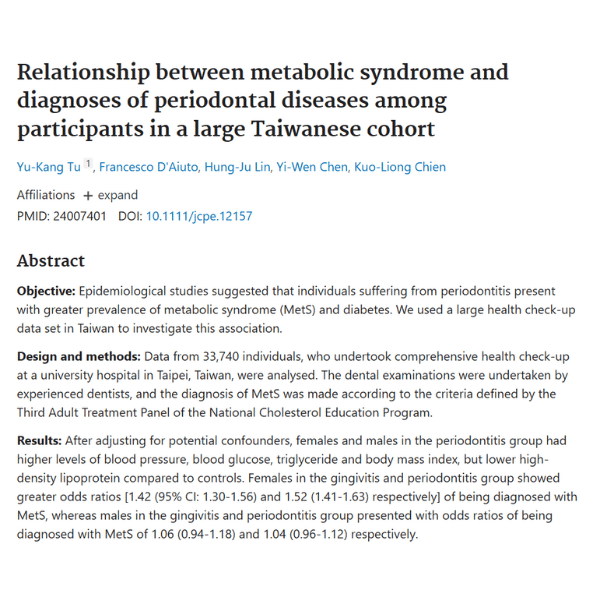
Understanding gum disease within particular communities can help identify unmet care needs. Around 11% had moderate periodontitis and 29% had severe periodontitis under the study’s definitions.
Read more
Periodontitis can damage the bone and tissues supporting teeth. Higher OPG levels were associated with greater loss of support around teeth and more severe periodontitis.
Read more
Reducing inflammation in the gums might help blood glucose management as well as oral health. The pooled estimate suggested an HbA1c benefit of around 0.36 percentage points with periodontal treatment at three months.
Read more
Metabolic syndrome describes a combination of factors such as raised blood pressure, abdominal obesity and abnormal blood fats. Metabolic syndrome was associated with a greater number of sites showing substantial loss of support around teeth.
Read more
Full-mouth periodontal cleaning can be combined with antiseptic products in an approach sometimes called full-mouth disinfection. Gum bleeding, pocket depth and the support around teeth improved in both groups.
Read more
Saliva contains substances released during inflammation. Both diabetes and periodontitis were associated with higher beta-glucuronidase levels, with periodontal disease showing the stronger relationship.
Read more
Some gum pockets remain deep and bleed after initial periodontal treatment. Both approaches reduced pocket depth, bleeding and the number of persistent pockets.
Read more
The immune response produces reactive chemicals that help defend against infection. Rats with diabetes showed more inflammatory activity and bone loss around affected teeth.
Read more
Smoking can strongly influence gum health, making it harder to separate its effects from those of diabetes. On average, participants with type 1 diabetes had worse gum measurements, particularly those with higher HbA1c.
Read more
Enzymes help remodel tissues, but excessive activity during inflammation can contribute to damage. MMP-8 expression was greatest in tissue from people with both diabetes and periodontitis, and was higher than in those with periodontitis alone.
Read more
Cholesterol measurements are usually discussed in relation to heart health. Higher HDL levels were associated with fewer inflamed, deep-pocket sites.
Read more
Oxidative stress happens when reactive chemicals outweigh the body’s protective systems. Participants with both conditions showed more protein oxidation and lower antioxidant capacity than some comparison groups.
Read more
Gum treatment can improve local inflammation without changing every inflammatory marker in the blood. Gum health improved, but average blood levels of inflammatory markers, including IL-6, did not change significantly.
Read more
Periodontal treatment aims to control gum disease. The treated group had greater improvements in gum bleeding, pocket depth and tooth support.
Read more
Insulin resistance and gum disease can occur alongside other health factors, including changes in body weight. Before all adjustments, higher insulin resistance showed a weak relationship with very deep pockets, and some associations were stronger in younger adults.
Read more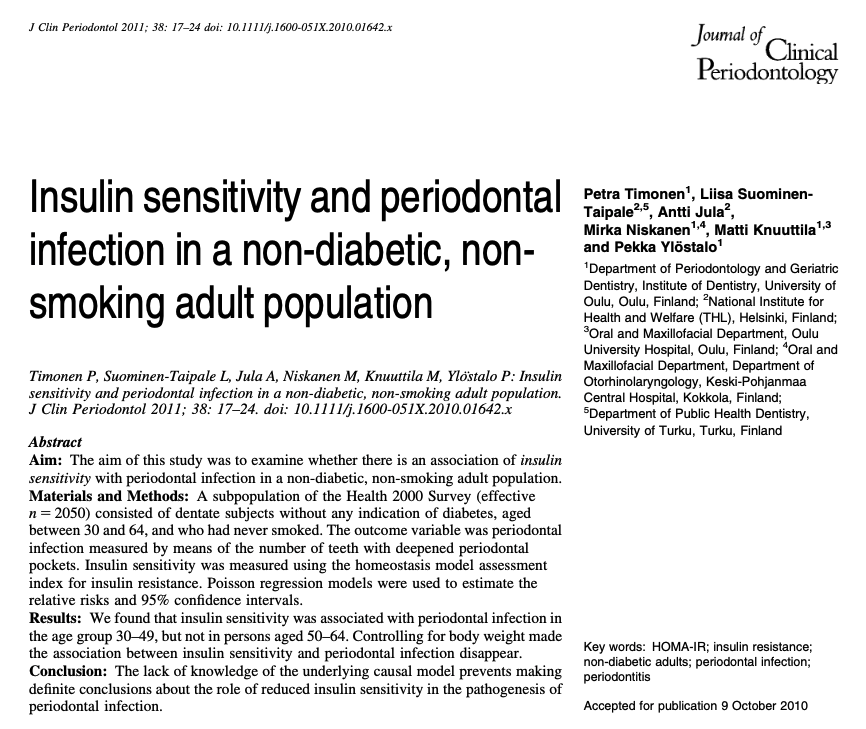
People can experience improved gum health even when blood glucose remains above target. Both groups showed substantial reductions in plaque, bleeding and pocket depth.
Read more
Diabetes, high blood pressure and gum disease may occur together. Participants with periodontitis had higher blood pressure and greater left ventricular mass than those with healthier gums.
Read more
Following people over time can help identify factors associated with worsening gum disease. Higher HbA1c was associated with greater odds of worsening pocket depth and loss of tooth support.
Read more
Diabetes and gum disease may be associated differently across populations. People with diabetes had more gum bleeding and recession.
Read more
Dental treatment can be successful even when blood glucose does not improve. Plaque, bleeding, pocket depth and measurements of tooth support improved.
Read more
Gingivitis is inflammation of the gums caused by plaque build-up. Both groups developed more inflammation during plaque build-up.
Read more
Welcome to the Research Hub – your go-to source for concise, digestible summaries of the latest research on the connection between periodontitis and diabetes. Explore key findings on topics such as how periodontal inflammation affects glycaemic control and the benefits of periodontal treatment.
Our summaries provide quick insights, but they are not exhaustive. For a complete understanding of each study’s methodology, results, and implications, we encourage you to review the original research articles. Please note that the Periodontitis-Diabetes hub is not responsible for inaccuracies or misinterpretations of condensed content.
For more guidance on understanding research, including how to interpret studies and evaluate their findings, visit the ‘Colgate Professional Website’ and search for ‘Understanding Research in Dentistry.’
Dive into the science and uncover the powerful link between oral and systemic health!
This study in mice found that diabetes-related changes in gut bacteria weakened the gut’s protective lining and increased oxidative stress, worsening gum inflammation and bone loss. Restoring healthier gut bacteria, protecting the gut lining or giving oleic acid reduced this damage, but studies in people are needed to confirm these benefits.
Read more
Periodontitis is associated with systemic inflammation and has been linked to chronic kidney disease and diabetes. This randomised trial examined whether non-surgical periodontal treatment improves kidney function, systemic inflammation and blood glucose control in patients with chronic kidney disease.
Read more
A combination of bacteria and inflammatory markers in saliva distinguished participants with type 2 diabetes and periodontitis from systemically healthy participants without periodontitis, with reported accuracy of 95%. Further testing is needed to establish whether it can reliably identify gum disease within the diabetic population.
Read more
In mice, butyrate (a substance produced by gut bacteria) reduced diabetes-associated periodontal damage and restored the balance between two types of immune cells. Whether this approach benefits people remains unproven.
Read more
Adding Limosilactobacillus reuteri probiotics to periodontal treatment did not provide additional improvements in gum health or overall bacterial outcomes in patients with diabetes. A possible improvement in blood glucose control was observed, but it was not statistically significant in a separate analysis excluding participants with protocol deviations.
Read more
In a large Swedish register-based study of nearly 19,000 people with dental implants, both type 1 diabetes (T1DM) and type 2 diabetes (T2DM) were associated with a higher risk of peri-implantitis (inflammation and progressive bone loss around a dental implant). The link was clearest for T1DM, particularly when blood-sugar control was poor.
Read more
In diabetic mice, oxidative stress (an imbalance between damaging free radicals and the body’s antioxidant defences) and gut dysbiosis (an unhealthy shift in gut bacteria) appear to fuel each other, worsening periodontitis (inflammatory destruction of the tissues supporting the teeth). Both an antioxidant (curcumin) and faecal microbiota transplantation (FMT — transfer of stool bacteria from a healthy donor) reduced this damage.
Read more
In a mouse model of type 2 diabetes, experimentally induced gum disease worsened diabetic nephropathy (DN — kidney damage caused by diabetes) by activating an enzyme–hormone pathway (HPGDS–PGD2) inside the kidney’s filtering units (glomeruli). Blocking this pathway with a drug protected the kidneys. A small clinical study in patients suggested a possible link between urinary HPGDS, kidney function and gum disease.
Read more
In 43 patients with metabolic syndrome, a 5–10-day medically supervised prolonged fast was associated with lower gum inflammation, less plaque and small, selective shifts in oral bacteria. The overall oral microbiome remained largely stable.
Read more
In a nationwide Japanese cohort of 99,273 middle-aged adults with type 2 diabetes mellitus (T2DM), those who attended a dentist for periodontal care had a 32%–47% lower risk of starting dialysis (a treatment that filters the blood when the kidneys fail) than those with no dental attendance. More frequent visits were linked to greater risk reduction, suggesting that routine gum care may help protect kidney function in diabetes, although the study is observational and cannot prove cause.
Read more
Type 2 diabetes mellitus (T2DM) is a growing global health issue, with millions remaining undiagnosed.In Singapore, diabetes prevalence is among the highest in Southeast Asia, with half of those affected unaware of their condition at diagnosis.
Read more
In 104 pregnant women, extracellular vesicles (EVs — tiny membrane-wrapped particles released by cells and bacteria that carry proteins and other molecules) collected from the gum crevice were more abundant, and had a distinctive surface-marker profile, in women with both periodontitis and gestational diabetes mellitus (GDM). Their protein cargo pointed to roles in immune inflammation, glucose metabolism and insulin response, and included virulence factors from periodontal bacteria – supporting the idea that gum-derived EVs may biologically link periodontitis and GDM.
Read more
Higher dietary quality was associated with differences in subgingival bacterial diversity and a more favourable balance of disease-associated to health-associated bacteria. These observational findings suggest a possible link between diet and the periodontal microbiome, rather than demonstrating a treatment effect.
Read more
Periodontitis was associated with a higher incidence of cardiovascular events or death over approximately 10 years, after adjustment for age, smoking and diabetes.
Read more
Higher oral microbiome diversity was associated with lower all-cause mortality over approximately 9-years. Associations were also observed in participants with diabetes and hypertension, although these findings do not establish causality.
Read more
Experimentally induced diabetes increased peri-implant bone loss, inflammation and connective-tissue disruption in mice. The findings provide biological evidence of diabetes-related susceptibility, but do not establish the magnitude of risk in humans.
Read more
Higher cardiovascular health scores were associated with lower odds of periodontitis in US adults. The association was more pronounced for health behaviours, particularly nicotine exposure, than for physiological health factors.
Read more
Periodontitis affects up to 45% of adults in the United States (US) and has been significantly associated with various systemic health conditions such as diabetes and cardiovascular disease. Current research suggests that periodontal disease may not only impact oral health but also influence overall mortality.
Read more
Periodontitis is a chronic inflammatory disease affecting the supporting structures of the teeth, leading to progressive periodontal tissue destruction and eventual tooth loss if untreated. The main aetiological factor for periodontitis is plaque. However, the two main risk factors for progression of the disease have been identified as smoking and diabetes.
Read more
Periodontal disease is commonly seen in individuals with diabetes, particularly with Type 2 diabetes mellitus (T2DM). The chronic inflammation associated with periodontal disease can exacerbate glycaemic control issues and contribute to the progression of diabetes. There is increased evidence regarding the bidirectional relationship between periodontitis and diabetes. Poor glycaemic control can worsen periodontal health, while periodontitis can further impair glycaemic control, creating a vicious cycle.
Read more
Type 2 diabetes mellitus (T2DM) is a metabolic condition characterised by elevated blood sugar levels due to insufficient insulin function. Effective glycaemic control is crucial for minimising the risk of both microvascular and macrovascular complications. Research indicates that even a 1% reduction in HbA1c levels can significantly lower the incidence of related health issues.
Read more
Prediabetes is increasingly recognised as a major public health issue, affecting about 35% of adults in the United States (US), or roughly 88 million people. While it serves as a significant indicator for developing diabetes, prediabetes is reversible, with around 13% of individuals returning to normal glucose levels. Managing risk factors during the prediabetic phase could alleviate the diabetes burden, a leading cause of morbidity and mortality.
Read more
Periodontal breakdown can lead to further damage in nearby tissues if not treated adequately. Extracting a hopeless or non-essential adjacent tooth can enhance the survival of molars that have undergone periodontal treatment.
Read more
Diabetes mellitus (DM) has associated complications, ranging from cardiovascular issues to kidney diseases, which impose a considerable burden on both those living with diabetes and the healthcare system at large. Effective management of blood sugar levels is pivotal in averting these complications and enhancing the overall outlook for individuals with diabetes.
Read more
Diabetes mellitus (DM) is a global health concern, affecting 537 million people worldwide and accounting for 10% of healthcare expenditure in developed countries.
Read more
Supportive periodontal care (SPC) is critical for maintaining periodontal stability and preventing recurrence of periodontitis. Personalising treatment plans is increasingly essential due to varying chronic illnesses and patient capacities. Periodontal breakdown during SPC often necessitates additional active therapy, highlighting the need for robust risk assessment tools.
Read more
Periodontitis, a chronic inflammatory disease affecting the supporting structures of the teeth, has been linked to various systemic health issues, including cardiovascular disease and diabetes. Given the increasing prevalence of both diabetes and periodontal disease, understanding their interplay is crucial for public health.
Read more
The study investigates the association between periodontal diseases and chronic obstructive pulmonary disease (COPD), motivated by emerging evidence suggesting a potential link between oral health and respiratory conditions.
Read more
The study represents a significant contribution to the understanding of long-term outcomes in periodontal treatment, specifically for patients diagnosed with stages III and IV periodontitis. With the ultimate goal of preserving natural teeth for life, the research addresses the critical need for comprehensive data on tooth loss and treatment efficacy over extended periods.
Read more
Diabetes mellitus (DM) is a significant risk factor for periodontal disease, characterised by hyperglycaemia, chronic inflammation, and compromised immune defence. Poorly controlled blood glucose levels increase the prevalence and severity of periodontal disease, impacting the quality of life for affected individuals. Recent research has introduced the concept of ‘inflamm-ageing’- a pro-inflammatory state linked to diabetes that exacerbates tissue damage through macrophage activation.
Read more
There is a well-established bidirectional relationship between periodontitis and diabetes. Individuals with poorly controlled diabetes are at a higher risk of developing periodontal disease due to the effects of hyperglycaemia on immune function and tissue healing. On the other hand, periodontal disease can exacerbate glycaemic control, leading to increased insulin resistance and worsening metabolic outcomes. The systemic inflammation associated with periodontal disease is believed to contribute to the pathophysiology of diabetes, as inflammatory mediators can interfere with insulin signalling pathways.<
Read more
Periodontal disease, a chronic inflammatory condition affecting the supporting structures of teeth, is prevalent among individuals with diabetes, who are often at a heightened risk due to compromised immune responses and metabolic dysregulation. Conversely, poor glycaemic control has been implicated in the progression of periodontal disease, suggesting a bidirectional relationship that warrants further investigation.
Read more
Peri-implant diseases (PIDs), including peri-implant mucositis and peri-implantitis, are significant complications that can arise following dental implant placement. These conditions are characterised by inflammation of the peri-implant tissues, which can lead to implant failure if not managed effectively.
Read more
Periodontal treatment involves a stepwise framework, including non-surgical sub-gingival instrumentation as the cornerstone for managing periodontitis. This reduces gingival inflammation, probing pocket depth (PPD), and clinical attachment loss (CAL) while improving overall health and quality of life. However, non-surgical treatment can induce an acute-phase systemic inflammatory reaction post-operatively, including increased acute-phase proteins, endothelial dysfunction, elevated body temperature, clotting tendencies, and renal function reduction.
Read more
Metabolic syndrome (MetS) is a cluster of conditions—obesity, dyslipidemia, hypertension, and insulin resistance—that significantly increase the risk of diabetes and cardiovascular disease.Periodontitis, a chronic inflammatory disease of the gums, has been linked to systemic inflammation, insulin resistance, and worsening glycaemic control.
Read more
Chronic periodontitis is a prevalent inflammatory condition affecting the supporting structures of teeth, which can lead to tooth loss and has been associated with various systemic diseases, including diabetes. The relationship between oral health and systemic conditions has garnered increasing attention, particularly as periodontal disease may influence metabolic processes. Previous studies have suggested that individuals with periodontal disease may have a higher risk of developing diabetes due to shared risk factors such as inflammation and insulin resistance.
Read more
Periodontitis, a chronic inflammatory condition, is a leading cause of tooth loss in adults and is exacerbated by diabetes-related hyperglycemia.Diabetes promotes periodontal inflammation and disrupts alveolar bone homeostasis, contributing to tissue damage. Alveolar bone homeostasis involves the endocrine system, signaling interactions between bone and immune cells, and mechanically loaded forces. It relies on bone-resorbing osteoclasts, bone-producing osteoblasts, their precursors and immunoregulatory mediators.
Read more
Diabetes mellitus (DM) is a chronic condition where the body fails to produce or effectively use insulin, resulting in elevated blood glucose. Poor glycaemic control in DM patients can lead to severe complications like cardiovascular disease and kidney failure. The glycosylated haemoglobin assay (HbA1c) is a reliable measure of long-term blood sugar control and is linked to the risk of diabetic complications.
Read more
Diabetes mellitus (DM) is a significant global health issue, often remaining undiagnosed during its asymptomatic phase. Timely detection can prevent complications. Given the bidirectional link between diabetes and periodontitis, dental professionals are uniquely positioned to identify undiagnosed hyperglycaemia using periodontal measures.
Read more
Periodontitis is a chronic inflammatory disease leading to the destruction of tooth-supporting tissues and eventual tooth loss if untreated. It is highly prevalent worldwide, affecting 10–60% of populations. Beyond oral health, periodontitis contributes to systemic diseases by allowing pathogens (bacteria) and inflammatory mediators to enter the circulatory system, increasing risks for conditions like diabetes mellitus (DM), cardiovascular diseases, and adverse pregnancy outcomes.
Read more
Tooth loss (TL), a significant outcome of periodontitis, affects patients physiologically and psychologically. Periodontal therapy and patient compliance during supportive periodontal care (SPC) are crucial in reducing TL risk.Studies highlight patient- and tooth-related factors influencing TL, including periodontal bone loss, tooth mobility, furcation involvement (FI), tooth type, and vitality, with FI identified as a major predictor of molar survival.
Read more
Periodontitis (gum disease) is a chronic inflammatory condition affecting the tissues that support teeth. It has been associated with systemic conditions like cardiovascular disease and diabetes.
Read more
Periodontitis is a chronic inflammatory condition that causes gum and bone damage. It is often linked with systemic inflammation and conditions like metabolic syndrome (MetS).
Read more
Diabetes mellitus (DM) accelerates periodontal disease through hyperglycaemia-induced inflamm-ageing, a chronic, low-grade inflammatory state driven by cellular senescence and the senescence-associated secretory phenotype (SASP). Inflamm-aging disrupts gingival defence mechanisms, including epithelial and fibroblast resistance and immune responses to infection.
Read more
Periodontal maintenance (PM) is crucial for preventing the progression of periodontitis and minimising tooth loss after active periodontal treatment (APT). It includes tailored care such as oral hygiene education, scaling, root planing, and tooth polishing. Despite advances in periodontal therapy, factors like age, smoking, diabetes, and compliance with PM visits impact treatment outcomes.
Read more
Periodontitis is a chronic inflammatory disease causing tissue destruction and tooth loss, often requiring lifelong management. Regular maintenance, termed supportive periodontal therapy (SPT), plays a crucial role in preventing disease progression. The World Workshop (2017) introduced a multidimensional classification for periodontitis, categorising cases into stages (severity) and grades (rate of progression). This study aims to evaluate how the regularity of maintenance visits impacts tooth loss related to periodontitis (TLP) based on staging and grading. It hypothesises that higher disease severity (stages III/IV) and rapid progression (grade C) increase susceptibility to tooth loss, especially with inconsistent maintenance.
Read more
Periodontitis and type 2 diabetes are linked through a bidirectional relationship: diabetes increases the risk and severity of periodontitis, while periodontal inflammation worsens glycaemic control.
Systemic inflammation, driven by cytokines, contributes to complications such as cardiovascular disease and stroke. Associations between severe periodontitis and cardiovascular diseases have also been well-established.
Diabetes mellitus (DM) is a prevalent chronic condition, often undiagnosed, and associated with significant morbidity. Periodontitis is a chronic gum disease linked to systemic inflammation, and dental settings have been proposed as a location for screening undiagnosed DM and prediabetes.
Read more
Periodontitis, a chronic gum disease, involves inflammation and tissue destruction. It is especially common in people living with diabetes, making diagnosis and monitoring crucial.
Read more
Periodontitis has been linked to various systemic diseases, including diabetes, cardiovascular disease, and rheumatoid arthriti
Read more
Partial-mouth protocols (PMPs) are commonly used in population health studies to estimate periodontal disease prevalence, offering a cost-effective and time-efficient alternative to full-mouth protocols (FMPs). However, PMPs are known to underestimate periodontal disease prevalence, which may lead to biases in studies examining associations between periodontitis and systemic conditions like diabetes and cardiovascular disease (CVD).
Read more
Periodontitis, a chronic inflammatory disease caused by bacterial plaque, is associated with systemic conditions such as cardiovascular diseases, diabetes, and adverse pregnancy outcomes. It has also been linked to increased mortality risks
Read more
Periodontal disease, affecting hundreds of millions adults globally, is a leading cause of tooth loss and negatively impacts oral health-related quality of life.
Read more
Inflammation plays a pivotal role in cardiovascular disease (CVD) progression, particularly in patients with diabetes mellitus (DM) and periodontitis, which share risk factors and systemic inflammatory pathways.
Read more
Periodontitis, affecting 11.2% globally, causes tissue destruction, tooth loss, and reduced quality of life. Its bidirectional link with type 2 diabetes mellitus (T2DM) is well-established, with diabetes increasing periodontitis risk and periodontitis worsening glycemic control.
Read more
Periodontitis progression is influenced by common risk factors, including poor oral hygiene, smoking, and lifestyle habits. Interventions targeting these factors can improve treatment outcomes and periodontal health.
Read more
This 12-year study investigated whether periodontitis was associated with changes in blood glucose from early adulthood to age 38. The authors concluded that there was no clear overall association, although 1 analysis identified a small increase in HbA1c in participants with the highest blood glucose trajectory.
Read more
Chronic kidney disease (CKD) involves impaired kidney function, increasing the risk of cardiovascular disease, infection, and mortality. Despite medical advances, CKD prevalence is rising globally.
Read more
A model combining age, gender, ethnicity, smoking and HbA1c identified moderate-to-severe periodontitis with reasonable screening performance. It could help medical professionals identify patients needing periodontal assessment, but requires external validation before wider clinical use.
Read more
Periodontitis and diabetes mellitus (DM) are closely linked, with DM being a significant risk factor for severe periodontitis. Conversely, periodontitis may exacerbate glycaemic management in people living wiith diabetes.
Non-surgical periodontal therapy is an effective treatment to reduce inflammation and improve periodontal health. However, there is uncertainty regarding how diabetes impacts the clinical response to periodontal treatment.
The global rise in type 2 diabetes is a significant contributor to disability and early mortality, often due to vascular and renal complications. Chronic inflammation affects glycaemic control in diabetes, linking it with cardiovascular and kidney diseases. Periodontitis, a prevalent inflammatory condition often co-existing with diabetes, involves an imbalance in oral bacteria and elicits a systemic inflammatory response, raising risks for severe conditions like cardiovascular disease and renal failure. Periodontal therapy aims to manage inflammation through dental cleaning, oral hygiene advice, and possible surgical intervention.
Read more
Most patients retained the majority of their teeth over 20 years after periodontal treatment, with regular maintenance associated with less tooth loss and smoking with greater loss. Diabetes was also associated with tooth loss, but inconsistencies in the reporting prevent a clear interpretation of its effect.
Read more
Diabetes mellitus (DM) is closely associated with periodontitis, with evidence suggesting a bidirectional relationship. While periodontitis may exacerbate systemic inflammation and insulin resistance, periodontal therapy is hypothesised to improve glycaemic management and reduce inflammation in people living with diabetes.
Read more
Type 2 diabetes mellitus (T2DM) is a metabolic disorder characterised by insulin resistance and elevated blood glucose levels, influenced by factors like obesity and inflammation.
Read more
Patients with type 2 diabetes mellitus (T2DM) exhibit higher prevalence and severity of chronic periodontitis compared to individuals without diabetes.
Non-surgical periodontal therapy (NSPT), including scaling and root planing (SRP), has been suggested to improve glycaemic control in T2DM patients.
This study investigated whether 2 microRNAs in gingival crevicular fluid could help identify periodontitis in people with and without type 2 diabetes. Both markers were elevated in periodontitis and decreased after non-surgical treatment, suggesting potential roles in disease assessment and monitoring treatment response.
Read more
The human microbiome plays a vital role in health, with links between gut microbiota and metabolic disorders like type 2 diabetes mellitus (T2DM).The oral microbiota, particularly the subgingival microbiome, is thought to be influenced by diabetes.
Read more
This animal study investigated whether green tea could protect periodontal tissues during prolonged hyperglycaemia in rats with type 1 diabetes. Green tea consumption preserved measures of the small blood vessel network and reduced periodontal destruction, although it did not completely prevent disease.
Read more
Gestational diabetes mellitus (GDM) is a carbohydrate intolerance which begins during pregnancy, with Indian women at significantly higher risk (approximately 11-fold) compared to Caucasians.
Read more
Chronic periodontitis is a common inflammatory disease that causes progressive bone loss and, if untreated, can lead to tooth loss.
Read more
This experimental study investigated how osteocytes (cells embedded within bone) contribute to periodontal bone loss in mice with and without diabetes. Deleting their production of RANKL (a signal that promotes bone breakdown) prevented significant infection-induced bone loss in both groups.
Read more
This human study investigated whether diabetes and smoking were associated with increased levels of proteins that inhibit bone formation in people with periodontitis. Both risk factors were linked to changes in sclerostin and DKK1, suggesting a possible mechanism through which periodontal bone maintenance and repair may be impaired.
Read more
This systematic review examined whether periodontitis was associated with poorer blood glucose control, development of type 2 diabetes and diabetes-related complications. The evidence generally supported these associations, although differences in study quality and methods limited the strength of the conclusions.
Read more
Periodontitis is a widespread condition affecting over half of the global adult population, with prevalence increasing with age.Severe periodontitis is one of the most common human diseases, contributing significantly to tooth loss.
Read more
This preliminary randomised trial investigated whether periodontal treatment changed inflammatory gene expression in blood-derived cells involved in vascular repair in people with type 2 diabetes. Treatment improved periodontal health and reduced IL-6 and IL-8 gene expression, but did not demonstrate corresponding improvements in HbA1c, systemic inflammation or secretion of these proteins.
Read more
This animal study investigated whether activation of the enzyme PARP contributes to the greater periodontal destruction associated with diabetes. Blocking PARP reduced gingival inflammation, nitrosative stress and bone loss in diabetic rats, without significantly changing blood glucose or HbA1c.
Read more
Diabetes mellitus (DM), particularly type 2 (T2DM), is prevalent in the elderly and associated with complications like neuropathy, retinopathy, and cardiovascular issues. Poor glycaemic management exacerbates these complications, significantly affecting quality of life. Periodontitis, a chronic inflammatory disease of the gums, is common in individuals with T2DM. Research indicates a two-way relationship: Periodontitis worsens gum health, while DM elevates systemic inflammation, impairing blood glucose control. In Japan, over half the population aged 40+ years experiences periodontitis. Addressing periodontitis could potentially improve glycaemic management in people with T2DM. This study aimed to assess whether dental visits for periodontal treatment correlate with improved diabetes outcomes in an elderly Japanese cohort.
Read more
There is increasing evidence linking periodontal inflammation to elevated glycated haemoglobin (HbA1c) levels in patients with type 2 diabetes mellitus (T2DM). Periodontal disease is more prevalent in those with T2DM and contributes to chronic inflammation, potentially raising HbA1c levels. Persistently high HbA1c can lead to severe complications such as cardiovascular disease, blindness, amputations, renal failure, and premature death.
Read more
This animal study investigated whether damage to mitochondria (the energy-producing structures within cells) could help explain why diabetes worsens periodontitis. Rats with both conditions showed greater periodontal destruction, increased mitochondrial oxidative stress and reduced cellular energy availability compared with rats with periodontitis alone.
Read more
This Canadian population study examined whether previously unrecognised blood glucose abnormalities and other cardiometabolic risk factors were associated with periodontitis. Elevated fasting glucose was associated with higher odds of periodontitis, but this association was no longer statistically significant after accounting for household income and education.
Read more
Pre-diabetes was associated with greater gum bleeding and severe periodontitis in adults without diabetes. Insulin resistance was associated with bleeding, but its association with severe periodontitis did not reach statistical significance.
Read more
Diabetes risk and insulin resistance are associated with chronic systemic inflammation, often exacerbated by microbial factors. Inflammation interferes with insulin signalling, increasing diabetes susceptibility. Periodontitis, a chronic infection of the tooth-supporting structures, is linked to systemic inflammation and glucose intolerance. Emerging research suggests that early microbial changes in the subgingival environment may play a pivotal role in insulin resistance. The study aimed to investigate the relationship between subgingival bacterial composition, systemic inflammation, and insulin resistance in individuals living without diabetes. The hypothesis posited that dysbiosis (bacterial imbalances) in the subgingival microbiome would correlate with elevated inflammation and insulin resistance markers and that systemic inflammation would mediate this relationship. By identifying specific microbial signatures linked to inflammation and glucose regulation, the study hoped to improve early detection of diabetes risks and inform future intervention strategies.
Read more
Repeated antimicrobial photodynamic therapy and oral doxycycline, each combined with periodontal cleaning, improved periodontal measures and HbA1c over 3-months. Photodynamic therapy showed advantages for certain moderate-depth pockets, but neither treatment produced a significantly greater improvement in glycaemic control.
Read more
Chronic kidney disease (CKD) affects 8–13% of the global population and is linked to higher mortality, primarily from cardiovascular disease (CVD).Systemic inflammation is a key non-traditional risk factor in CKD.
Read more
This animal study investigated whether blocking the inflammatory protein TNF-α could improve periodontal and metabolic outcomes in obese diabetic rats. Etanercept reduced markers of insulin resistance and appeared to lessen diabetes-associated periodontal destruction, while periodontitis itself did not significantly worsen the measured metabolic or kidney outcomes.
Read more
This study examined whether periodontitis and its treatment were associated with changes in parathyroid hormone and active vitamin D. In patients with type 1 diabetes, parathyroid hormone increased after periodontal treatment, particularly in those with more severe disease, but its changes did not consistently track changes in active vitamin D.
Read more
Gestational diabetes mellitus (GDM) and periodontal inflammation are independently associated with adverse pregnancy outcomes, including preterm birth, preeclampsia, and low birth weight.
Read more
Severe periodontitis was associated with wider retinal venules (the small vessels carrying blood away from the retina). The association was significant in participants with diabetes, but not in those without diabetes.
Read more
This study examined the relationship between periodontal bone loss, nutrition, blood glucose and inflammation in an Indonesian population with limited access to dental care. Greater bone loss was associated with higher levels of periodontal bacteria and systemic inflammation, alongside lower body mass index and less frequent guava consumption. No significant association with HbA1c was identified.
Read more
Diabetes mellitus (DM) is a significant global health challenge, with Type 2 diabete mellitus (T2DM) often going undiagnosed for years. It is estimated that 46% of diabetes cases worldwide remain undiagnosed, contributing to delayed treatment and increased complications.
Read more
In rats with newly induced diabetes, surgically created periodontal defects healed poorly. A single application of fibroblast growth factor-2 (FGF-2 – a signalling protein that drives cell growth and blood-vessel formation) mixed with a carrier gel produced more new bone, thicker bone trabeculae (the fine internal beams of spongy bone), less unwanted downgrowth of gum epithelium into the defect, and better-quality blood vessels. However, it did not restore new cementum, indicating that a single dose is not enough for full periodontal regeneration in diabetes.
Read more
Diabetes mellitus (DM) is a common condition linked to systemic and oral complications, including periodontitis, with evidence of a bidirectional relationship between the two.
Read more
Periodontitis, a chronic inflammatory condition affecting tooth-supporting structures, is increasingly recognised as influencing systemic health. Evidence links periodontitis with cardiovascular disease (CVD), atherosclerosis, and metabolic disorders, such as diabetes. The disease’s systemic effects may stem from persistent low-grade inflammation and the spread of oral bacteria and pro-inflammatory cytokines into circulation. Elevated markers like high-sensitivity C-reactive protein (hsCRP) and interleukin-6 (IL-6) are shared by periodontitis and atherosclerosis.
Read more
Inflammation plays a pivotal role in cardiovascular disease (CVD) progression, particularly in patients with diabetes mellitus (DM) and periodontitis, which share risk factors and systemic inflammatory pathways.
Read more
Metabolic syndrome (MetS) is a cluster of risk factors, including insulin resistance and obesity, which increases the risk for cardiovascular diseases and type 2 diabetes. Its prevalence varies globally, influenced by factors such as gender, country, and ethnicity. In the United States, about 25% of adults over 20 and 40% of older adults are affected. In Europe, prevalence ranges from 7% to 36% in men and 5% to 22% in women, depending on the study and population. Rapid economic changes in countries like China have seen a rise in MetS, largely due to increasing obesity rates.
Read more
Periodontitis is a chronic inflammatory disease affecting the supporting structures of the teeth, leading to progressive periodontal tissue destruction and eventual tooth loss if untreated. The main aetiological factor for periodontitis is plaque. However, the two main risk factors for progression of the disease have been identified as smoking and diabetes.
Read more
Type 1 Diabetes Mellitus (T1DM) is associated with systemic inflammation, which may worsen oral health. Periodontitis, a chronic inflammatory condition leading to gum and bone loss, has been linked to worse glycaemic control.
Read more
Periodontitis is a chronic inflammatory disease affecting the supporting structures of the teeth, leading to progressive periodontal tissue destruction and eventual tooth loss if untreated. The main aetiological factor for periodontitis is plaque. However, the two main risk factors for progression of the disease have been identified as smoking and diabetes.
Read more
Periodontitis is a chronic inflammatory disease affecting tooth-supporting tissues, driven by pathogenic plaque biofilm and a hyper-inflammatory host response. It leads to periodontal pocket formation, tissue destruction, and potential tooth loss. Individuals with Type 2 diabetes face an increased risk and severity of periodontitis due to their predisposition to oxidative stress and inflammation.
Read more
Insulin resistance, a condition where cells fail to respond effectively to insulin, is central to metabolic disorders like type 2 diabetes and cardiovascular disease. It often leads to systemic low-grade inflammation, a feature shared with periodontal disease, suggesting a potential biological link between these conditions.
Read more
Periodontitis and diabetes share a bidirectional relationship, where poor glycaemic control exacerbates periodontal disease and vice versa. The interplay between periodontal inflammation and glycaemic status is mediated by immune cells, primarily T-helper (Th) cells, which regulate pro- and anti-inflammatory cytokine production.
Read more
Periodontal disease and type 2 diabetes mellitus (T2DM) are interrelated, with evidence suggesting that periodontal disease worsens diabetic control and, conversely, that managing periodontal disease can improve glycaemic control. The host inflammatory response plays a key role in increasing susceptibility to periodontal disease, particularly in individuals with systemic conditions like T2DM. Studies show that individuals with severe periodontitis experience more diabetes-related complications and have poorer HbA1c levels over time. The Gullah population of coastal South Carolina and Georgia, descendants of enslaved Africans, is particularly affected by T2DM due to their genetic predisposition and social isolation. The Gullah have a higher prevalence of chronic diseases, including obesity and hypertension, compared to other populations. Notably, periodontal disease is more prevalent among Gullah individuals with T2DM (70.6%) compared to national estimates for African Americans with diabetes (31.3%). This study aimed to explore the relationship between glycaemic control and periodontal disease progression in Gullah individuals with T2DM.
Read more
Diabetes poses a significant public health burden globally, with prevalence expected to rise sharply, especially in urbanizing areas of developing countries.
Read more
Periodontitis, an inflammatory disease causing tissue destruction of the tissues surrounding teeth, may influence systemic inflammation, particularly in individuals with diabetes.
Read more

Periodontitis is the 6th most prevalent condition globally

Periodontitis and diabetes are bidirectionally linked

Diabetic complications are increased if you have both diseases

Successful periodontal treatment can improve blood glucose control
Periodontitis is the 6th most prevalent condition globally
Periodontitis and diabetes are bidirectionally linked
Diabetic complications are increased if you have both diseases
Successful periodontal treatment can improve blood glucose control